
Environmental Monitoring System (EMS)
Weather monitoring solutions engineered for aviation, maritime, and offshore operations.
Weather Systems
TST System provides comprehensive services related to the supply, installation, testing, and commissioning of weather systems. This includes the provision of state-of-the-art weather monitoring equipment, such as sensors, weather stations, and software solutions. TST System also offers testing and commissioning services to ensure that the systems are fully functional and accurate, and provide training to personnel on how to use the equipment effectively. The weather systems can be customized to meet specific client requirements, and can be used in a range of industries, including aviation, maritime, and offshore operations.
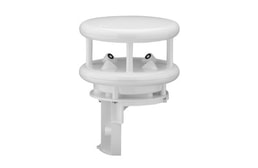
Smart Weather Sensor
Compact all-in-one weather sensor from the WS-Series. Measurement of temperature, rainfall, wind direction and speed.
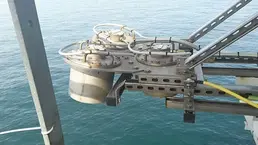
Waveguide Radar Tide & Wave Sensor
Compact, robust, easy to install and no re-calibration necessary – this high quality No Water Contact radar system monitors waves, directions, tide and levels.
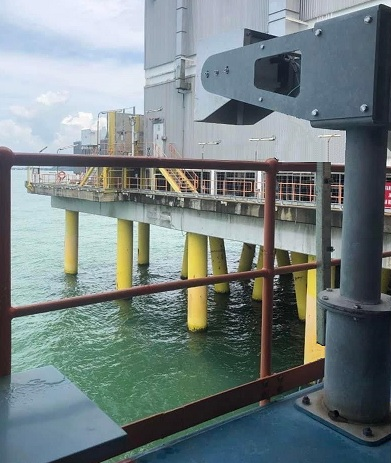
Laser Wave & Tide Sensor
Non-contact wave and tide sensor for use in hazardous or non-hazardous locations. Laser technology is a practical alternative to traditional tide and wave height gauges, as the sensor is not subject to fouling and high maintenance common to submerged sensors.
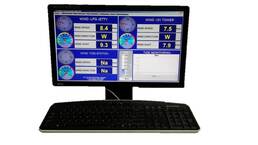
Real-time EMS Software
Environmental monitoring software (EMS) uses a network of sensors to collect data on temperature, humidity, wind speed and direction, wave height and profile, rainfall, tide, solar radiation and other conditions. Data is analyzed and visualized to provide real-time monitoring, alerts, and reporting.
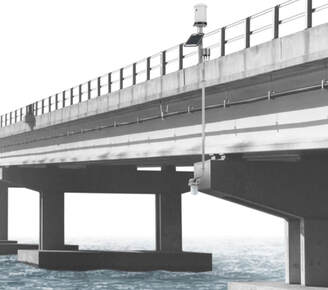
Tide/Flood Warning Systems
Flood warning systems save lives, protect property and limit damage to infrastructure by monitoring rainfall and water levels and alerting when conditions approach dangerous levels, enabling authorities to take action such as evacuation and dam control in advance of a flood event.
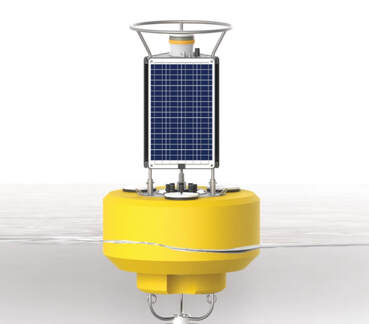
Data Buoy
Data buoy designed for deployment in lakes, rivers, coastal waters, harbors, estuaries and other freshwater or marine environments. The floating platform supports topside and subsurface monitoring sensors including weather stations, wave sensors, thermistor strings, multi-parameter sondes and Doppler current profilers.
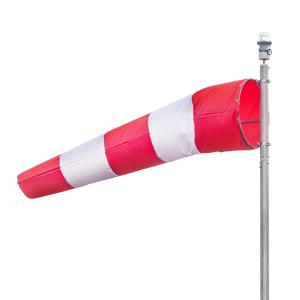
Wind Sock
The wind sock is mounted on a pole or frame where it can catch the wind. When the wind blows, the sock fills with air and orients itself in the direction the wind is blowing, providing a visual indicator of wind direction and speed for pilots, sailors and others.
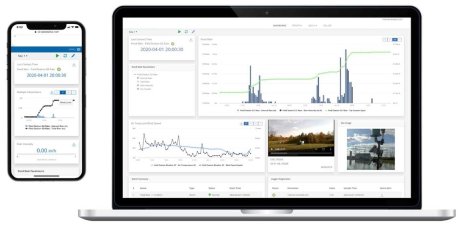
Cloud Based Weather System
Cloud-based weather system collects data from various sources, including weather stations and radars, and uses machine learning algorithms and predictive models to analyze the data and generate forecasts for temperature, precipitation, wind, humidity, air pressure, wave and visibility.